Accra Has a Sound, But Is It Ours?
By Grugbox ·
 Grugbox Media
Drive through Osu at midnight on a Friday, or crawl past the roadside strip near Afrikiko, and the same familiar weight hangs in the air. Rolled-down car windows, open-air bar terraces and velvet-roped club entrances all hum at the same frequency: South African log drums, Lagos street-pop choruses, and the occasional hybrid tagged "Ghanaian Amapiano."
You do not need to step through the security doors to know what is playing inside. Long before you hand over your ticket or order your first gin and tonic, you already have a mental tracklist of the entire evening.
There is real energy in this soundscape. It carries tired bodies through a long workweek and gives people the euphoria they came out for. But under the fog machines and laser lights sits an uncomfortable question: is Accra producing its own sonic identity, or is it renting a globally pre-approved one?
Cultural exchange has always driven West African music. Highlife travelled to Nigeria and sparked early Afrobeat; Congolese soukous electrified East African guitar styles; London garage informed early hiplife. Borrowing and reinterpreting are natural artistic impulses.
The problem facing Accra today is not that our nightlife borrows from elsewhere. It is that the borrowing has stopped at safe, repetitive commercial reproduction. Influence is rarely turned into something new. It gets packaged and looped until our own nightscape sounds like an echo chamber.
The DJ as custodian, not human jukebox
In any music culture, the DJ is more than a technician operating faders. The DJ decides what gets introduced and what gets elevated, and therefore what the room remembers five years down the line.
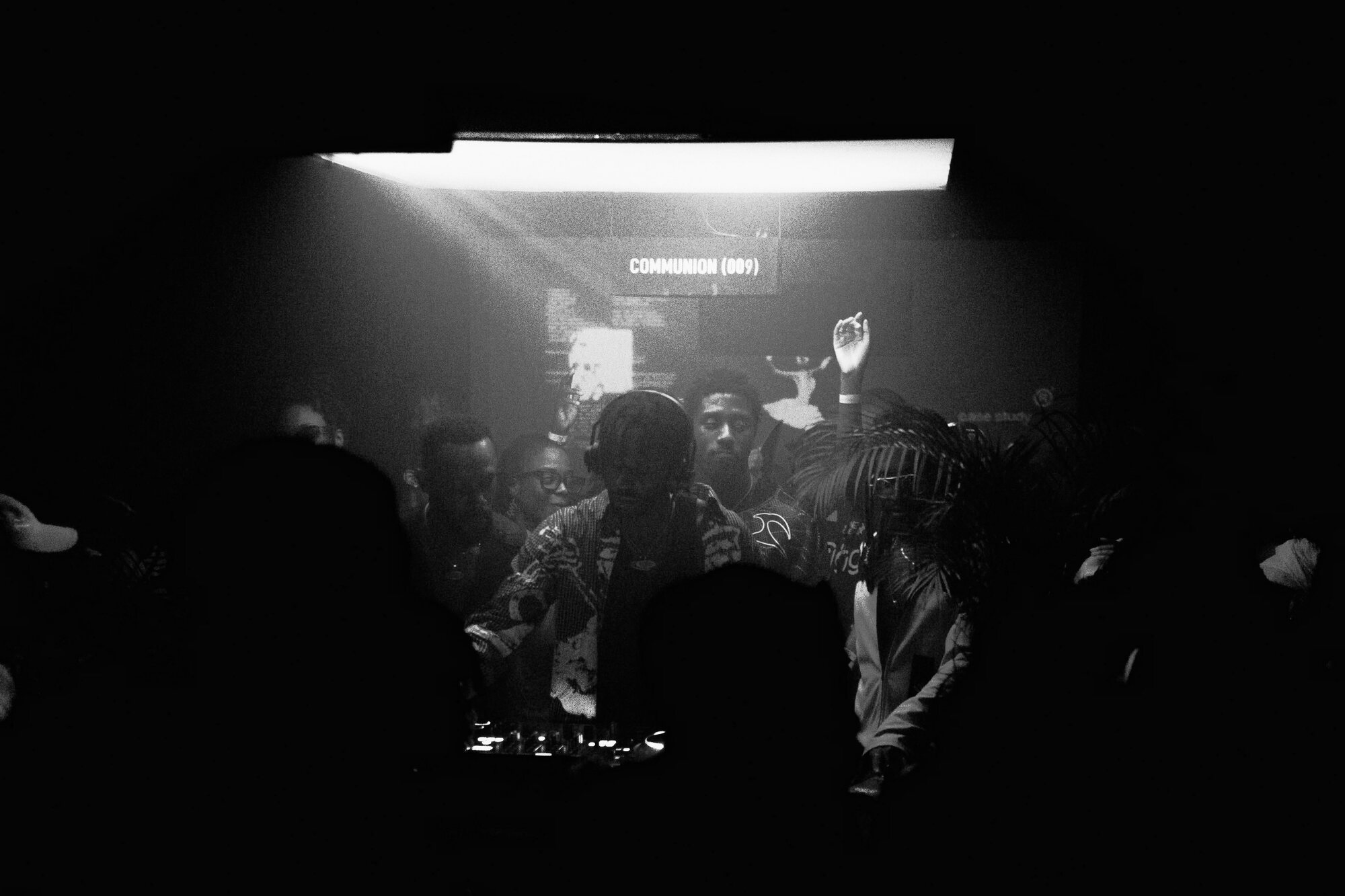
Yet walk into three upscale venues in Labone or Airport Residential on the same night, and you will hear three nearly identical sets. DJs pull from the same digital folders, running the same transitions between the same ten chart-toppers. The anticipation of not knowing what world you will be pulled into next has been drained out of Accra's party circuit.
This is not an indictment of our DJs' individual talent or taste. Many of Accra's finest selectors have encyclopedic knowledge of sound and real crate-digging pedigrees. The problem is structural. Music is culture, but nightlife is a business, and that business is stuck in a chokehold of risk aversion.
The economics of familiarity
Consider the arithmetic of promoting an event in Ghana.
A promoter rents a venue at exorbitant rates, secures sound equipment, hires private security and pays for a social media campaign. The venue needs guests to order bottles immediately; the promoter needs a packed floor to break even. Patrons, already stretched thin by inflation and economic strain, step out with one expectation: instant gratification.
If a DJ decides to be brave and drops an unreleased Kumasi drill record with an unconventional time signature, a hypnotic Ga acoustic groove or an experimental electronic tempo, the dancefloor hesitates. People look around. Hips stop swaying. The vibe cools.
In that five-minute window of hesitation, a promoter smells financial disaster. The next weekend, who gets booked? Not the selector who challenged the room, but the safe pair of hands who will guarantee maximum sing-alongs by queuing up the top fifteen songs on the national streaming charts.
That is the economics of familiarity. Unfamiliarity is treated as a financial hazard. Mainstream nightlife stops being a laboratory for discovery and becomes an assembly line catering to the lowest common denominator of comfort.
Accra's reliance on seasonal diaspora tourism amplifies it. When thousands land in December for the festive calendar, promoters double down on the hits they know international visitors already have saved on their Spotify playlists. What should be a showcase of local music becomes a hospitality service catering to foreign expectations.
The underground antidote
Accra is not musically bankrupt, and it does not lack listeners who crave adventure. Beneath the table service and the champagne sparklers is a stubborn underbelly.
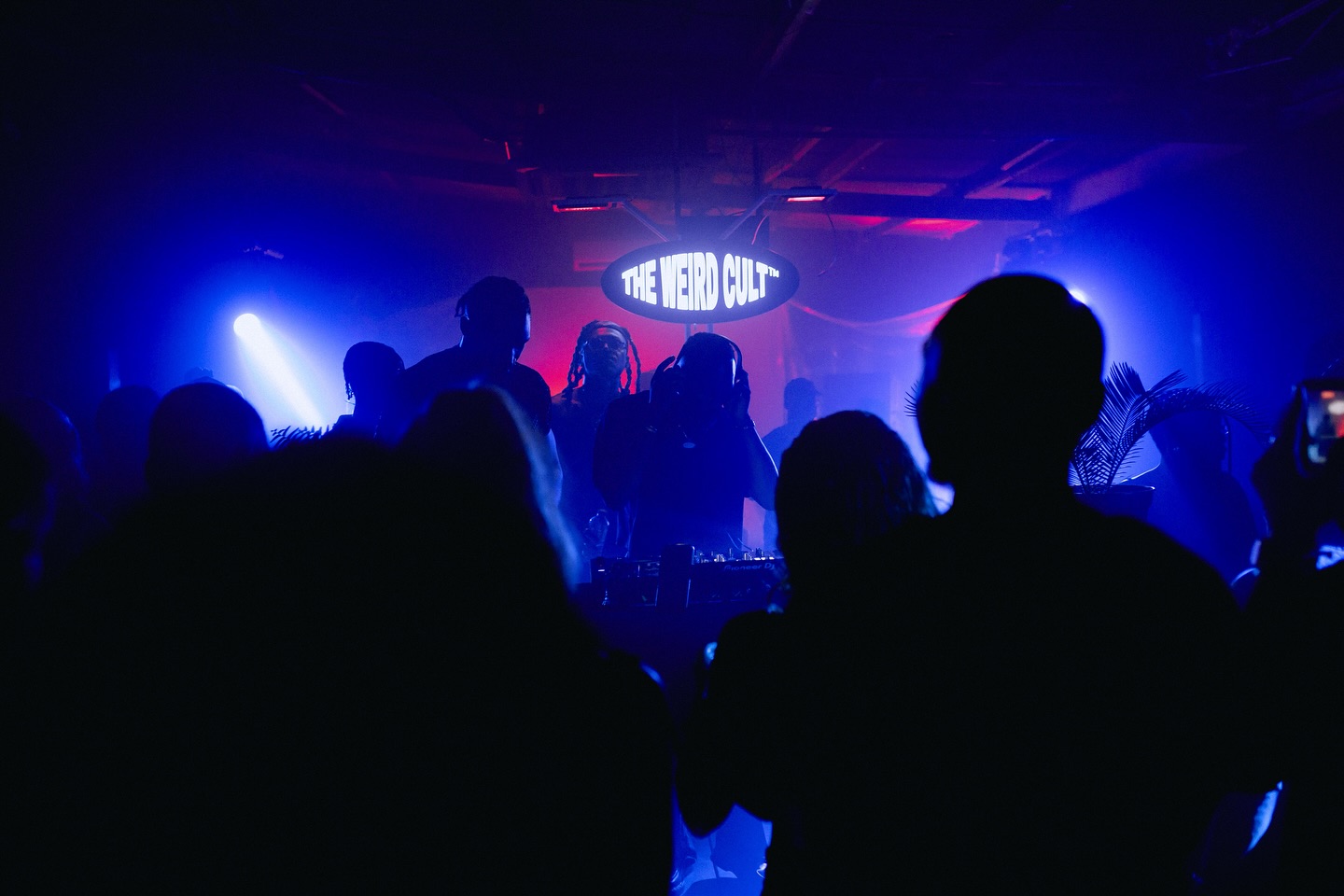
If you have found yourself at spaces like cult pop, alum, or the warehouse raves on the city's periphery, you know what sonic freedom feels like. Selectors there move between raw Durban Gqom, broken-beat Afro techno, deep highlife archives and fractured electronic percussion. They play tracks, then dismantle them, dropping unexpected acapellas and slowing tempos to an unsettling crawl until the room has to listen with its whole body.
These gatherings prove that Ghanaian crowds are not inherently allergic to experimentation. What has been missing is not the appetite, but the curatorial courage and the physical infrastructure to let that experimentation bleed into the mainstream.
Cultivating trust on the dancefloor
Audiences do not simply dictate culture from a vacuum; the culture we construct trains the audience. If promoters and venues feed dancers a monotonous diet of algorithmic hits for five straight years, we cannot feign shock when those dancers refuse to move to anything else.
Breaking this cycle requires rebuilding trust in the DJ.
Trusting the DJ means surrendering your evening to someone whose craft you respect enough to let them show you what you might love. It means allowing a dancefloor to breathe, to pause, to be puzzled for three minutes before it erupts.
It also demands that Ghanaian creatives look inward. As we debate cultural preservation and champion local artistry on panel discussions, our clubs remain dominated by sounds exported from Johannesburg and Lagos. Where is our contemporary electronic pulse? Why have we not taken the syncopated cross-rhythms of kpanlogo, the rolling momentum of fontomfrom, or the melancholic guitar lines of vintage highlife and forged them into a dance music ecosystem that could originate nowhere else on earth?
Accra does not suffer from a lack of rhythm. It suffers from a surplus of caution. The goal for our creative scene is not a loud, energetic sound. It is a sound that is unapologetically our own.
Trust the DJ. But first, give the DJ something to say.