Inside Accra's Indigenous Cocktail Renaissance
By Grugbox ·
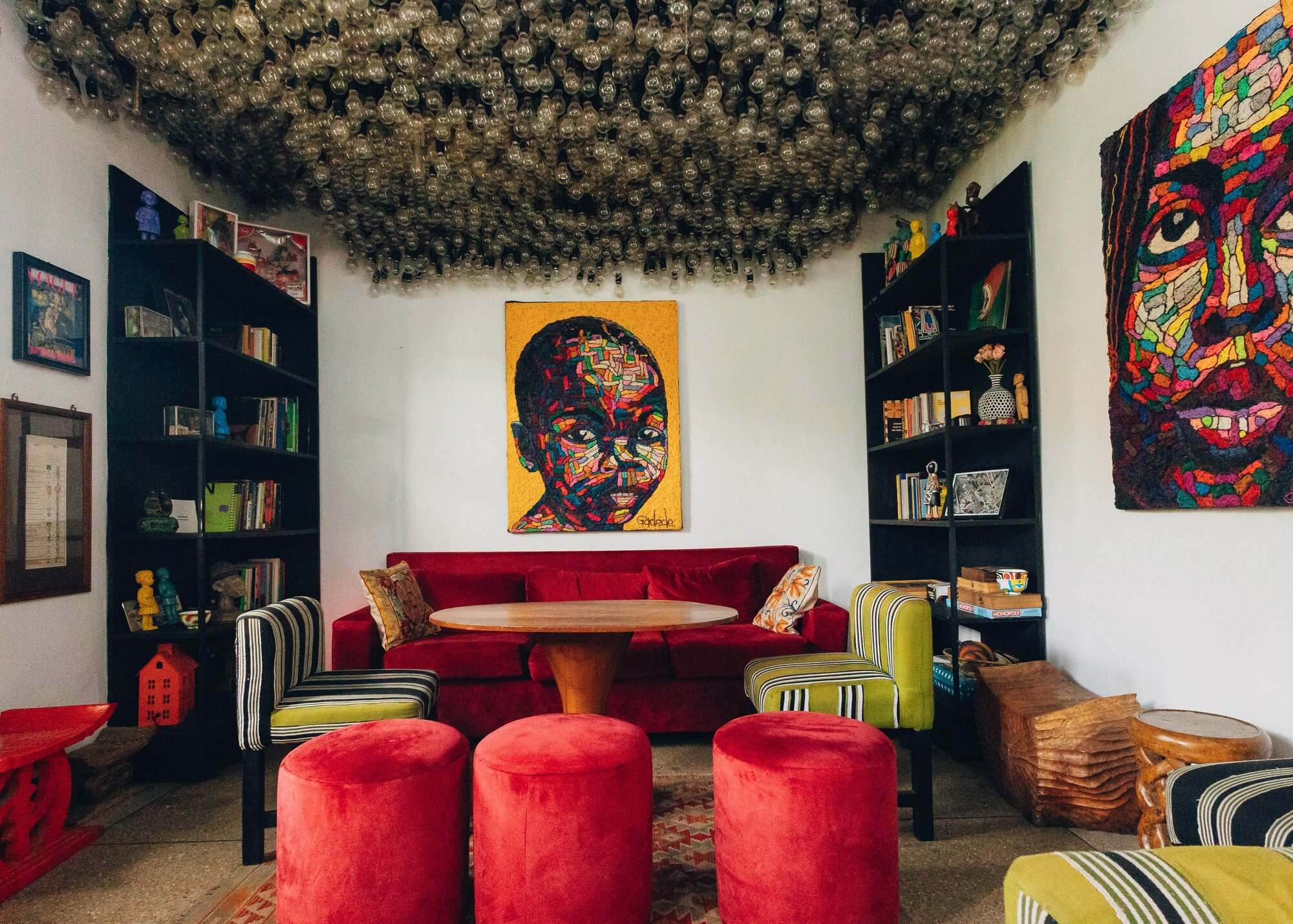 Grugbox Media
For decades, the story of luxury hospitality in West Africa followed a predictable, colonial script: if you wanted a serious cocktail in Accra, you ordered imported spirits. You asked for Scottish single malts, French cognacs, or London dry gins, poured over clear ice according to specifications perfected in Mayfair or Manhattan. Local spirits were largely absent from upscale backbars, relegated to informal roadside spots and treated with lingering middle-class suspicion.
That hierarchy has just been shaken up.
This month, the drinks world was jolted by the announcement of The World's 50 Best Bars extended 51–100 list. For the first time in the ranking's eighteen-year history, two bars from West Africa made it: Front/Back Accra at No. 80, followed closely by La Borracha at No. 87.
To understand why this accolade matters, look past the champagne. This is not simply a win for two venues in Osu and Labone. It is a validation of indigenous mixology, a movement arguing that Ghanaian agricultural botanicals, artisanal distillation traditions and narrative hospitality can command the highest tiers of global culinary respect.
The chemistry of reclamation
Front/Back earned its historic No. 80 placement by treating African ingredients as the point rather than as exotic garnishes.
Under General Manager Kojo Aidoo, Front/Back's beverage programme runs more like a culinary research lab than a standard cocktail bar. The menu is structured around ingredients native to Ghana and the wider sub-region: apio (artisanal akpeteshie), fresh palm wine, alansa (African star apple), prekese (soup perfume tree), hwintia (grains of Selim), lemongrass, and tamarind.
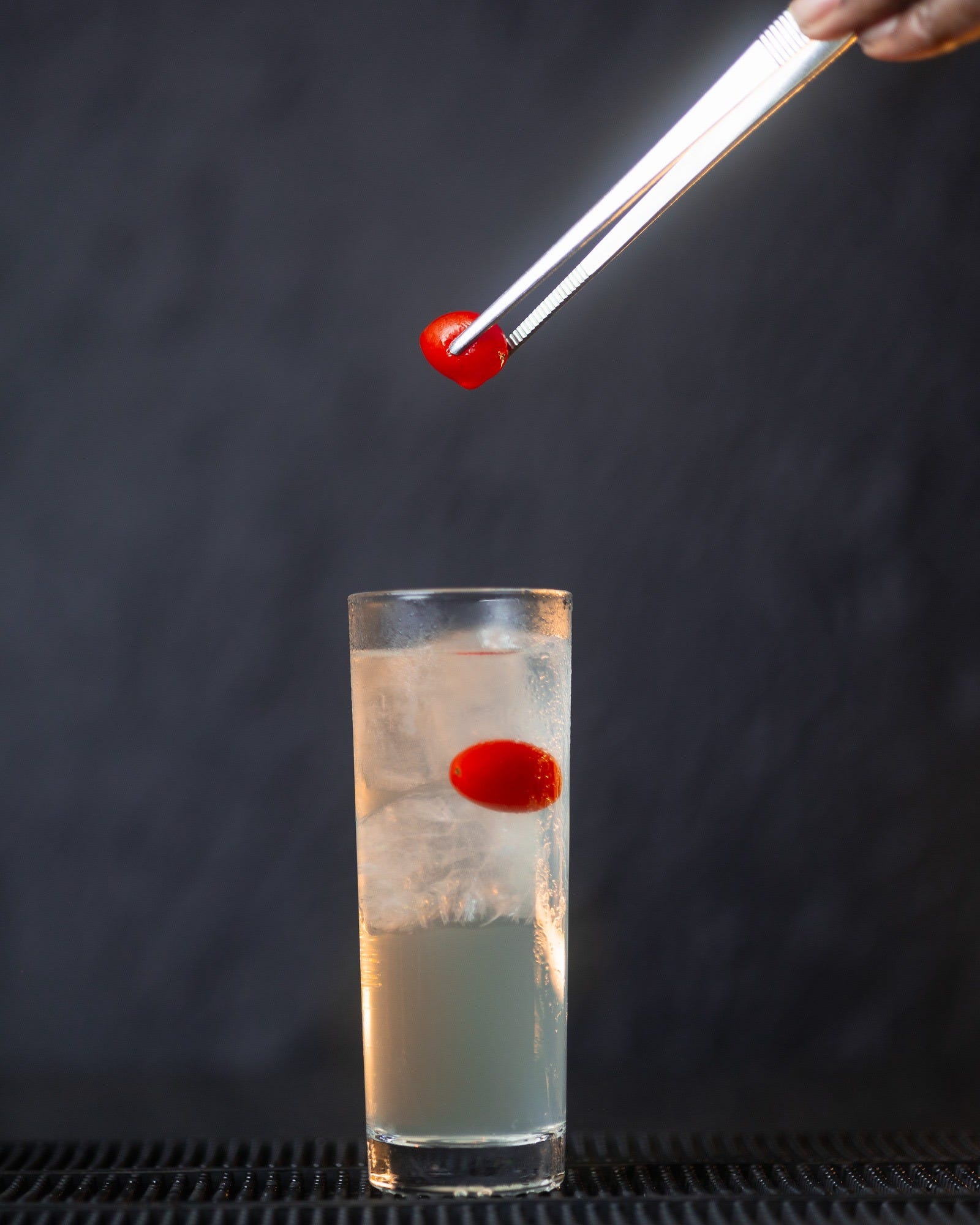
In drinks like the Mukase Xtra, these botanicals are not afterthoughts. They are the foundation. House-infused spirits extract the smoky, woodsy sweetness of roasted prekese; local citrus cuts through the earthy viscosity of palm-based spirits.
This is cultural reclamation. For over a century, local spirits, chiefly akpeteshie, carried heavy social and legal stigmas. In the 1930s, British colonial authorities enacted draconian anti-distillation laws under the guise of public health, primarily to protect lucrative excise duties on imported European gin and whisky. Generations of Ghanaians were conditioned to view their own indigenous distillation methods as dangerous, crude, or inferior.
By refining, aging, and balancing these local spirits with modern bar technique, Accra's bartenders are dismantling that colonial inferiority complex. They are proving that sugarcane and palm distillates from the Eastern or Volta Regions can be as complex and as well made as agave from Oaxaca or cane rum from Martinique.
Standing on Douglas Ankrah's shoulders
This renaissance did not appear from nowhere. Its lineage runs through one of the most influential figures in modern cocktail history: the late Ghanaian-born bartender and author Douglas Ankrah.
In the late 1990s and 2000s, Ankrah revolutionized the drinks industry from London, founding the LAB bar in Soho and Townhouse in Knightsbridge. He was the man behind the Pornstar Martini, a passionfruit, vanilla vodka, and sparkling wine concoction that remains one of the most widely consumed modern cocktails in the world.
When Ankrah passed away in 2021, the international bartending community mourned him. In Ghana, his contributions were only beginning to be properly recognized.
Today, Front/Back honors his legacy through a partnership with Colin Asare-Appiah (co-founder of the Ajabu Cocktail & Spirits Festival) and Louisa and Simon Ford. Together they established the Douglas Ankrah mini library within their Osu premises. By serving homages to Ankrah's work alongside indigenous infusions, Accra's mixologists link their current global success directly to Ghanaian diasporic innovation.
Beyond the December trap
The recognition also has the potential to break Accra's seasonal tourism curse.
For too long, Ghana's creative and hospitality economy has been held hostage by the "December in Ghana" cycle. For three weeks between Christmas and the New Year, the city swells with diaspora visitors, international flights, and packed calendar events. Cash flows freely, tables are impossible to book, and the city hums with celebratory fervor.
Then January arrives, the tourists leave, and the city's creative venues enter a quiet, precarious hibernation until the next holiday season.
A sustainable cultural ecosystem cannot survive on two weeks of holiday excess.
Accolades from institutions like The World's 50 Best signal that Accra is evolving into a year-round international capital of gastronomy, design, and mixology. They show that establishments maintaining consistent hospitality standards, steady training, and a clear artistic direction can thrive regardless of whether it is December 28th or July 14th.
A blueprint for West African hospitality
The success of Front/Back and La Borracha points to a wider future for West African hospitality.
It shows that our creative industries do not need to mimic Western templates or water down their identity to gain global acclaim. The world is not waiting for Accra to produce an average European-style lounge. The world is waiting for Accra to offer an experience rooted in its own soil, spices, spirits and stories, one that cannot be found anywhere else.
When you sit at a bar on First Osu Lane tonight and take a sip of an apio infusion scented with smoked prekese and fresh citrus, you are tasting heritage reclaimed, distilled and served at world-class proof.