How Accra and Lagos Built Alté's Second Act
By Grugbox ·
 Grugbox Media
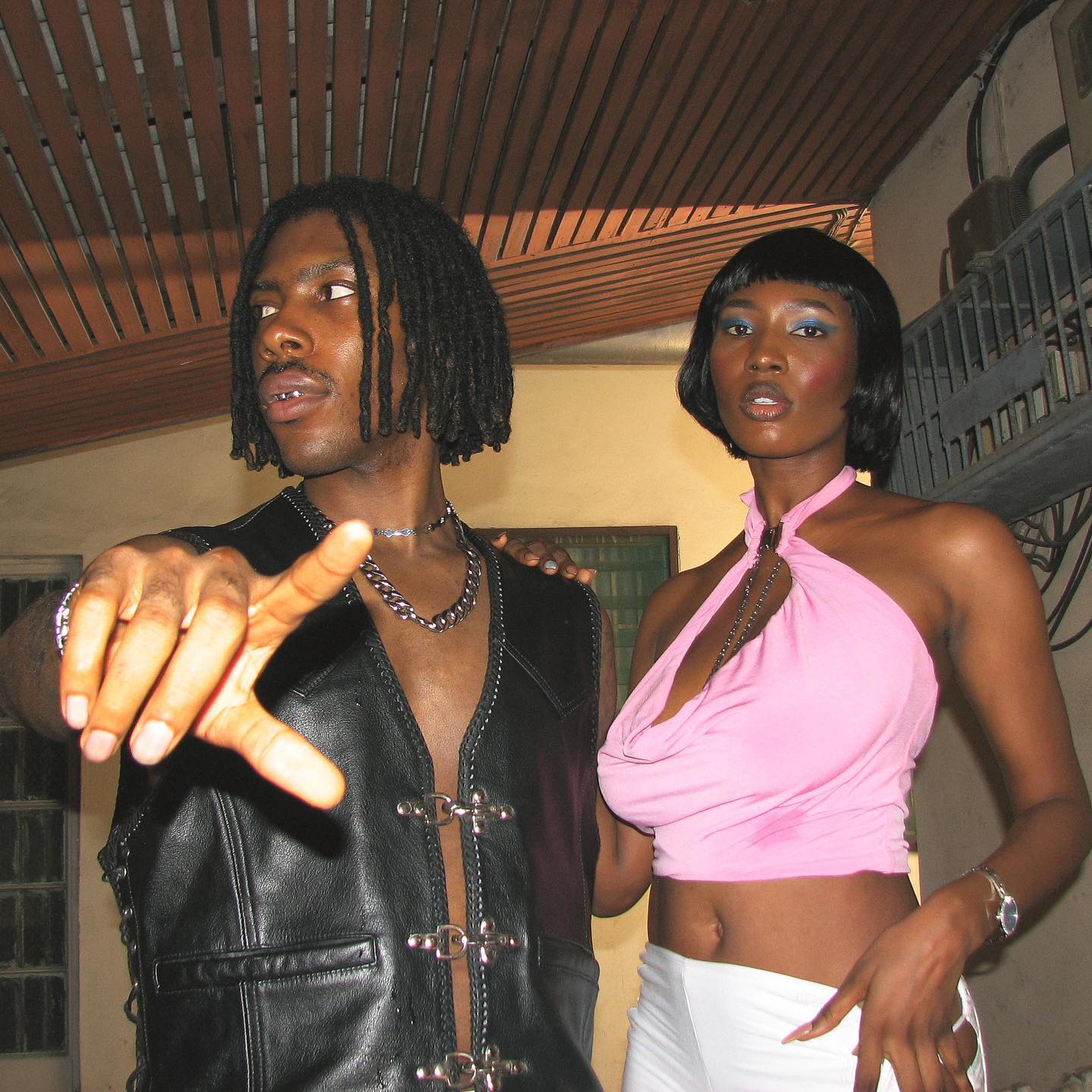
When Ghanaian multi-disciplinary collective SuperJazzClub released the remix of their single "WICKED" with Nigerian Alté progenitor Cruel Santino, it played like a diplomatic handshake between two distinct creative universes.
On one side, SuperJazzClub's jazz-flecked nocturnal groove, built with restraint by producer Øbed. On the other, Santino's genre-defying chaos, whose cryptic cadences evoke equal parts vintage Nollywood psychodrama and anime-fueled digital mania. The track is disorienting, elegant, and uninterested in commercial radio formatting.
It is also a sign of something bigger: West Africa's Alté scene has entered its second act, and the axis connecting Accra and Lagos has never been stronger.
The first wave: rebellion, aesthetics, and growing pains
The term "Alté" was coined around 2014 by DRB LasGidi's Teezee and BOJ, a shorthand for "alternative". It was never merely a musical taxonomy. It was a refusal.
In the mid-2010s, mainstream Nigerian and Ghanaian popular music was locked into a rigid sonic formula: 120-BPM dancefloor anthems designed for club decibels and terrestrial radio rotations. A younger generation raised on SoundCloud, Tumblr, skateboarding culture, and pirate digital archives felt alienated by this monoculture. Led by artists like Odunsi (The Engine), Santi, Lady Donli, and a fledgling Tems, the early Alté wave carved out a universe of hazy R&B, lo-fi funk, neo-soul, and nostalgic retro-futurism.
In Accra, a quieter rebellion was underway. Artists like Amaarae, Worlasi, and Ria Boss tore down traditional genre boundaries and made music steeped in visceral vulnerability, feminist reclamation, and eccentric visual language.
By the turn of the decade, the movement had hit an existential plateau.
The very elements that made Alté radical also made it fragile. The scene developed a reputation for insularity, derided by critics as an aesthetic playground for upper-middle-class kids from Lekki and Cantonments who cared more about thrifted retro sunglasses and film camera grain than relatable songwriting.
More damagingly, the DIY infrastructure collapsed under commercial gravity. Without robust independent touring networks, label support, or radio buy-in, several pioneering artists faced burnout. Some crossed into the mainstream and stripped away their experimental signatures; others went quiet, exhausted by the financial realities of swimming against the commercial tide. For a few years, it seemed Alté would be remembered as an intriguing footnote in contemporary African music history.
Why the second wave is different
The wave of 2025 and 2026 is a deliberate second act, driven by cultural exhaustion and structural independence.
First, audience fatigue has set in. The global rise of Afrobeats and Amapiano has come with an unintended side effect: creative uniformity. When every corporate brand, international festival, and algorithmic playlist demands the exact same mid-tempo bounce or log-drum rattle, listeners crave friction. Urban youth across West Africa are seeking music that mirrors their complex internal lives, existential anxieties, and aesthetic quirks. Alté provides the sanctuary mainstream pop refuses to offer.
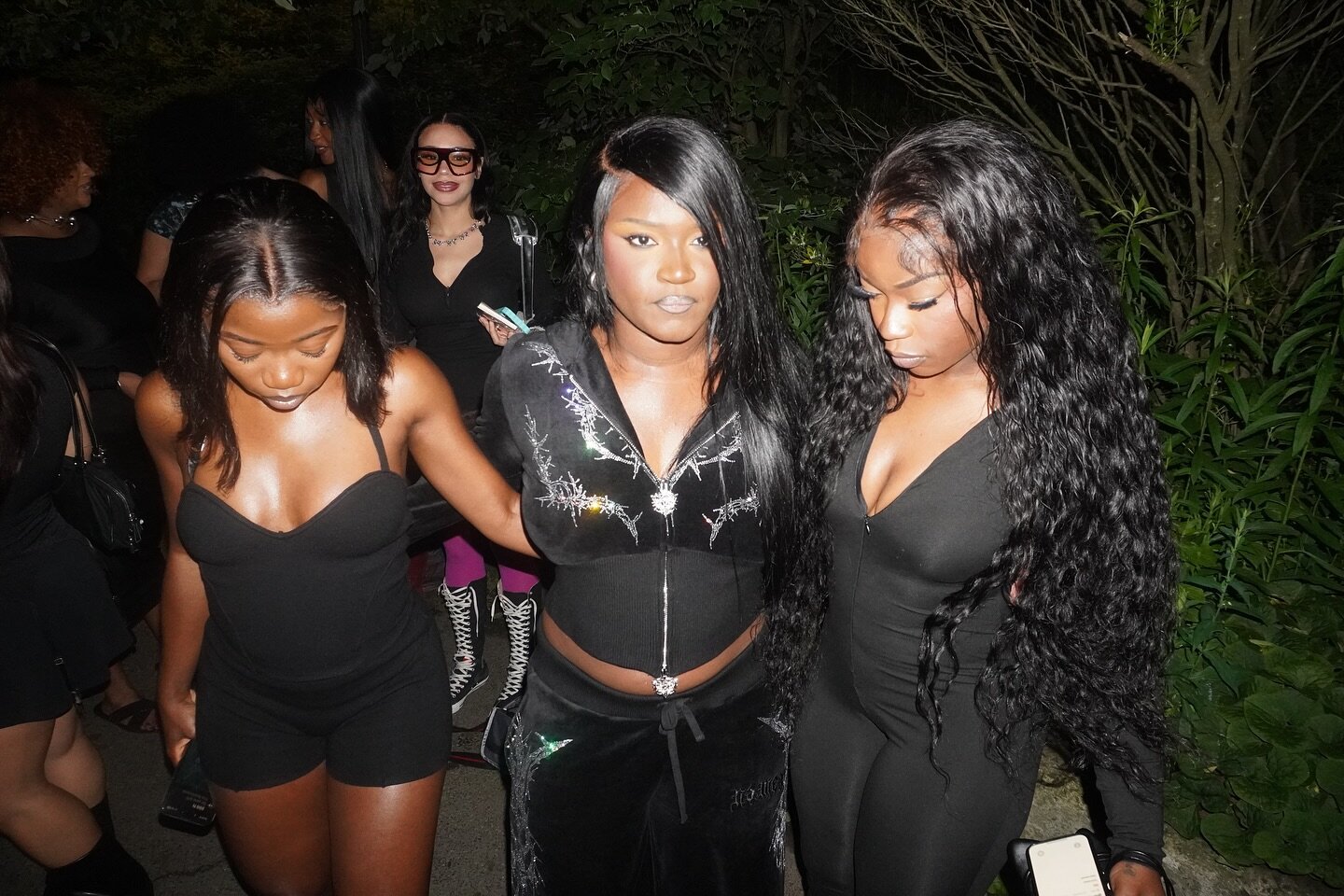
Second, the mechanisms of discovery have opened up. A decade ago, breaking out of an indie niche required gatekeeper blessing or viral PR campaigns. Today, decentralized platforms let Alté acts build direct, loyal transnational audiences. An artist recording in a bedroom in Dzorwulu can find their core demographic scattered across Peckham, Brooklyn, Yaba, and Toronto without spending a single cedi on radio plugging.
Most importantly, the scene has shed its reputation for self-absorbed elitism in favor of practical communal infrastructure. Spaces like Accra's Front/Back and Vibrate Space, alongside indie collectives like 99PHACES, have provided physical incubators where musicians, visual artists, cinematographers, and stylists collaborate across disciplines.
The Accra-Lagos synthesis: chaos meets introspection
The most interesting part of this resurgence is the stylistic dialogue between Ghana and Nigeria.
The Lagos Alté ethos has always been kinetic and theatrical. It mirrors the speed and sensory overload of Nigeria's commercial capital: an abrasive energy where trap hi-hats collide with 90s Nollywood tropes and cyberpunk anime aesthetics.
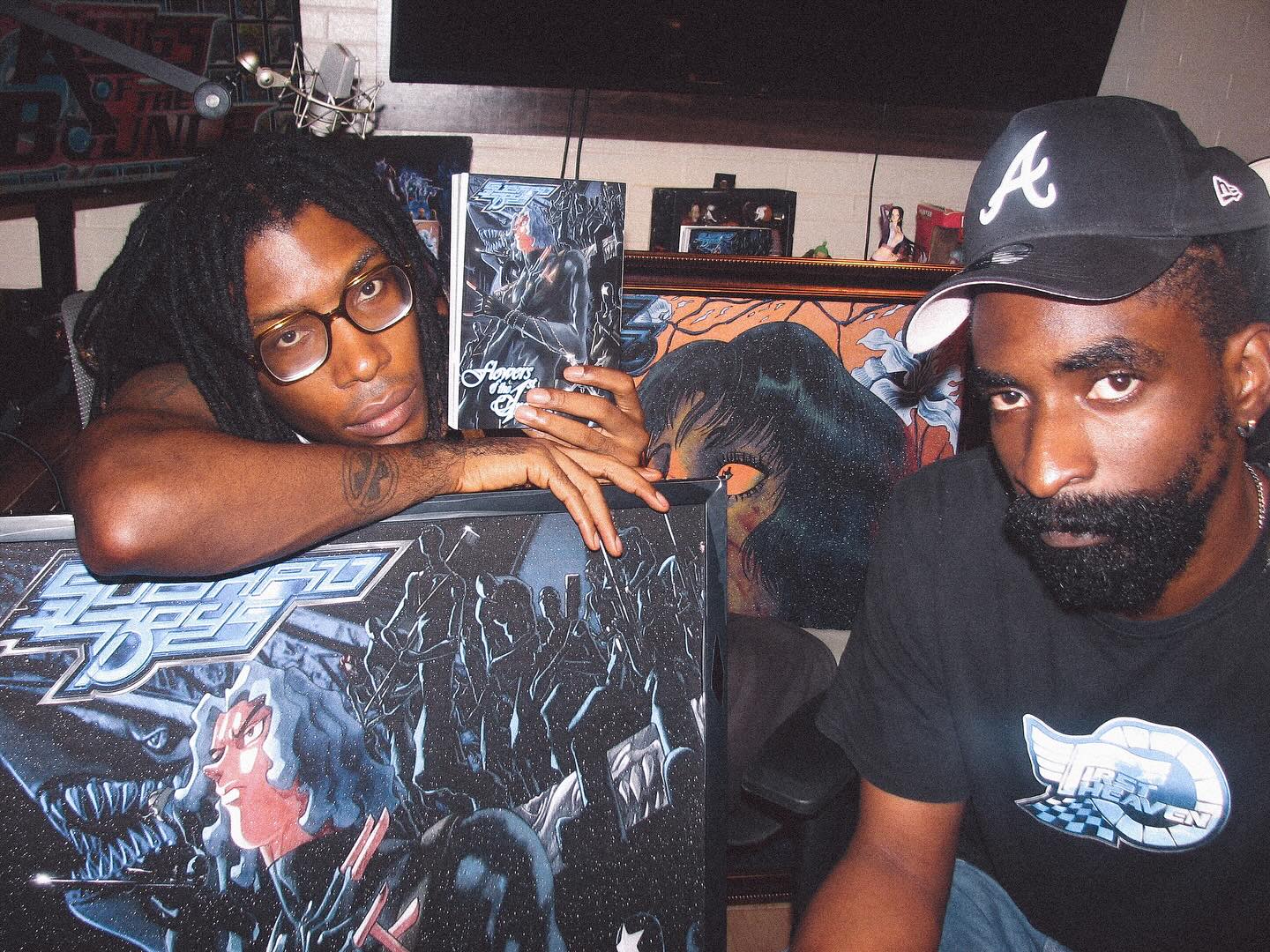
Ghana's wave, by contrast, operates on poetic restraint and psychological depth. Rooted in long traditions of live instrumentation, highlife melodic phrasing, and choral harmonies, Ghanaian acts like Amaarae, Yung D3mz, and SuperJazzClub bring a psychedelic softness. There is a deliberate spaciousness in the production; the drums breathe, the basslines crawl with jazz-informed nuance, and the lyricism leans toward quiet introspection.
When these two sensibilities converge, as in the "WICKED" remix, they produce a compelling third space. Accra grounds Lagos's erratic lightning; Lagos injects adrenaline into Accra's moody dreamscapes. Together they expand what African expression can look, sound, and feel like.
Transnational sovereignty
What defines Alté's second act is that it no longer asks for permission.
For years, African artists who operated outside the confines of Afrobeats were patronizingly told their music was "too Western" or "un-African," as though African creativity is only legitimate when it adheres to an anthropological checklist of tribal drums and cheerful optimism.
Alté rejects that colonial baggage entirely. It insists that African youth have the sovereign right to be weird, melancholic, surreal, distorted, and difficult.
SuperJazzClub, Cruel Santino, and their contemporaries are building a sustainable, border-blurring creative language that belongs to the youth of West Africa, not a trend for the Western gaze. This time they have built the foundation to stay.