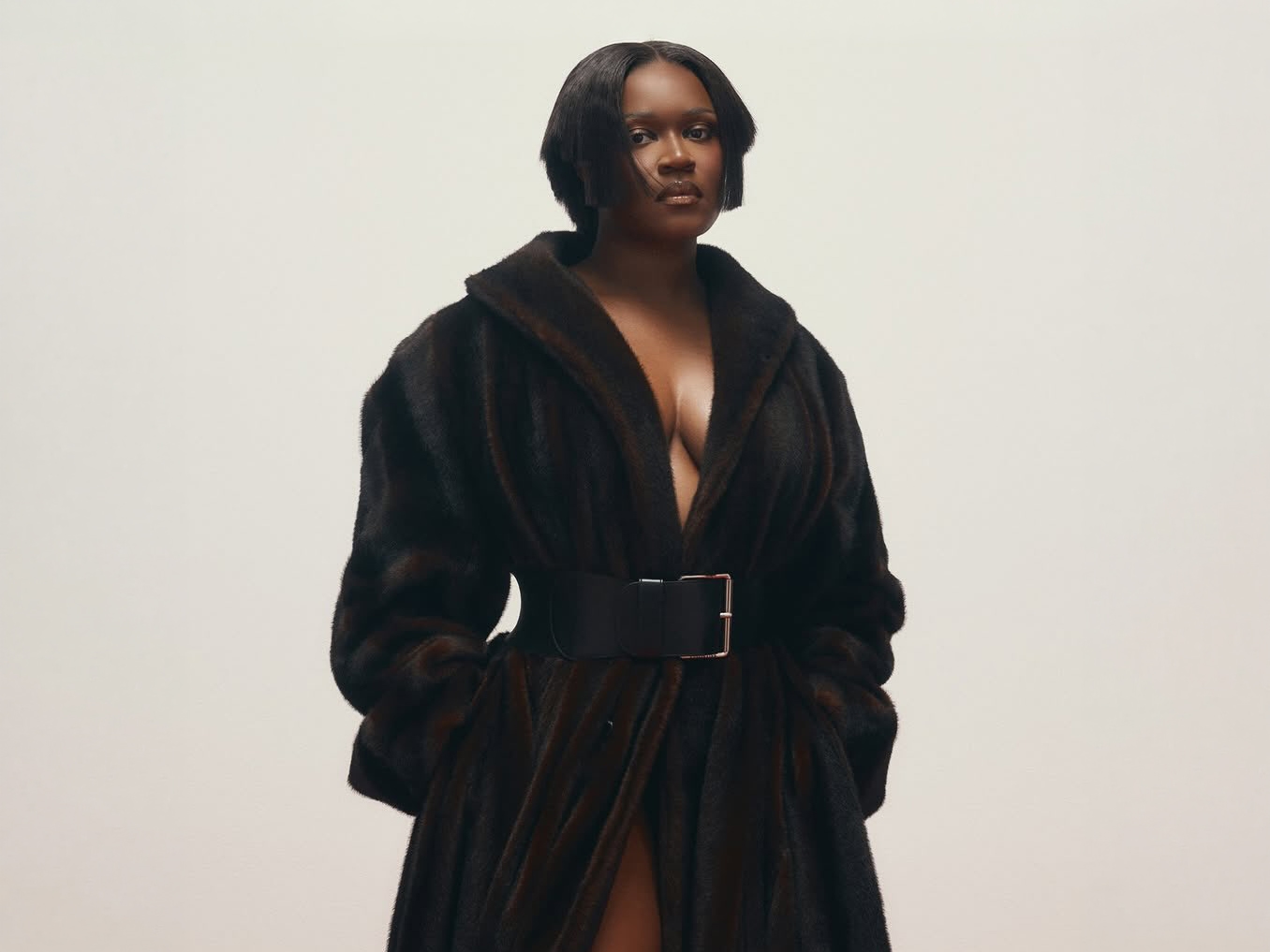
Amaarae: Refusing Genre and Staying Rooted in Accra
Amaarae is Ama Serwah Genfi, a singer, songwriter, and creative director from Accra. Her records set the sensuality of R&B and the defiance of punk against Ghanaian Highlife, and they refuse to be filed under any one of those names.
Grugbox caught up with her in Accra, after a run of festival appearances and the international reach of her albums. Over palm wine and vinyl records, she talked about how she builds a sound, why she won't be boxed in, and why freedom is the one thing she won't negotiate.
On carving her own sonic universe
Grugbox: Your music doesn't sit in any single genre. When people try to box it into a commercial category, how do you respond?
Amaarae: Honestly, I stopped caring about industry labels the minute I realized they exist to comfort executives, not artists. When I'm in the studio with producers like KZ or Kyu Steed, we aren't asking, "Is this Afrobeats? Is this alt-pop?" We are chasing friction. We want the kick drum to carry the pulse of an Accra street corner while the bassline evokes early 2000s London garage or Atlanta trap. If it makes my pulse quicken, that's the only metric that matters.
Grugbox: Your live shows have changed a lot. What shifted between your early intimate club sets and the international festival stages?
Amaarae: Scale forces intentionality. When you have twenty thousand people in front of you, subtlety has to be weaponized. I look at artists like Prince, Grace Jones, and Fela Kuti. They didn't just sing songs; they commanded an ecosystem. Every costume, every lighting cue, every drum breakdown is an extension of the storytelling. You can't just be a singer anymore; you have to be an architect.
On Accra as a creative anchor
Grugbox: Your career takes you between London, Los Angeles, and Paris, but Accra remains home base. How does the city continue to feed your work?
Amaarae: There's an electric, chaotic rhythm to Accra that you cannot simulate anywhere else on earth. You hear it in the horns of the tro-tros, the street vendors chanting at dawn in Osu, the impromptu Highlife jam sessions spilling out of corner drinking spots. That energy keeps you honest. In Western cities, music can become dangerously clinical and algorithmic. In Ghana, music is still physical, communitarian, and deeply spiritual.
Grugbox: What advice do you give to younger West African women moving into production and creative direction, fields that men have historically dominated?
Amaarae: Learn the technical language. Do not let anyone mediate your vision. When you understand EQ frequencies, vocal chain routing, and arrangement structures, no one can tell you what is impossible in the room. Own your masters, protect your publishing, and never apologize for having high standards. If they call you difficult, it usually just means they couldn't exploit your brilliance.